
Course DetailsHome / Courses Details
Network Administration
To successfully enroll in the Computer Networking & MikroTik course, learners should have basic foundational skills and a strong interest in networking technologies.
-
Basic computer knowledge:
Learners should be comfortable using a computer, including operating a keyboard and mouse, navigating folders, opening applications, and performing basic file management tasks. These skills are important for handling network tools, configurations, and practical exercises during training. -
Understanding of internet usage:
Learners should have a basic understanding of how the internet works in everyday life, including browsing websites, using online applications, and connecting devices to a network. This helps in understanding how data moves across networks and how connectivity is managed. -
Interest in technical networking systems:
Learners should have a genuine interest in how computer networks operate, including routers, switches, Wi-Fi systems, and internet service delivery. A curiosity for solving technical problems and managing systems will help learners succeed in this practical course.
-
Basic computer knowledge:
To support practical training and real-world networking skills development, the following tools, equipment, and materials will be used throughout the course:
🖧 Networking Lab Equipment
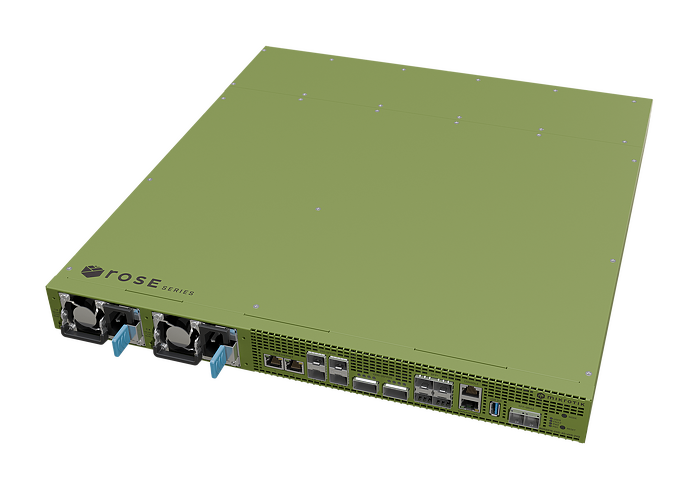
Learners will use physical networking devices such as routers, switches, cables, and access points in a controlled lab environment. This hands-on setup allows students to understand how real network infrastructures are installed, connected, and maintained.
📡 MikroTik Routers and Software
The course heavily utilizes MikroTik hardware and RouterOS software, which are widely used in professional network environments. Learners will gain practical experience in configuration, bandwidth management, firewall setup, and hotspot management using MikroTik systems.
🧪 Simulation Tools
Networking simulation software will be used to allow learners to practice configurations in a virtual environment. These tools help students test network designs, troubleshoot errors, and build confidence before working on physical devices.
📘 Lab Manuals and Exercises
Structured lab guides and step-by-step exercises will be provided to support learning. These materials ensure learners can follow practical sessions effectively, complete assignments, and reinforce theoretical concepts through real-world application.
The course runs for approximately two to four months, allowing learners to gain both foundational knowledge and practical networking skills through structured hands-on training.
This program is designed for beginners as well as learners with basic ICT knowledge, gradually progressing to intermediate-level networking and MikroTik configuration skills.
Training is delivered through intensive practical sessions where learners work directly with networking equipment, simulations, and real-world configurations.
Upon successful completion, learners will receive a recognized certificate confirming their competence in computer networking and MikroTik systems.
This course prepares learners for technical and support roles in the ICT industry, including:
- Network Technician
- ISP Support Engineer
- IT Support Specialist